What is Mixed Reality?
Mixed Reality (MR) is an immersive technology that seamlessly blends the physical and digital worlds, allowing virtual objects to interact with and respond to the real environment in real-time. Unlike traditional Virtual Reality (VR) which fully immerses users in a digital world, or Augmented Reality (AR) which overlays digital content on the real world, Mixed Reality creates a hybrid space where physical and virtual elements coexist and interact dynamically.
Key Characteristics
Spatial Awareness
MR devices use advanced sensors, cameras, and depth tracking to understand the physical environment. This allows virtual objects to:
- Recognize and map room geometry (walls, floors, furniture)
- Occlude behind real-world objects
- Cast realistic shadows based on actual lighting
- Anchor to specific locations in physical space
Real-Time Interaction
Virtual content responds to the physical world:
- Objects can rest on real tables or floors
- Virtual characters can walk around real furniture
- Physics simulations account for real-world surfaces
- Hand tracking allows natural interaction with virtual elements
Persistent Experiences
MR applications can remember spatial layouts:
- Virtual objects stay in place between sessions
- Multi-user experiences share the same spatial anchors
- Content adapts to different room configurations
Meta’s Mixed Reality Platform
Meta Quest 3 & Quest Pro
Meta has pioneered consumer-accessible Mixed Reality through their Quest headset lineup, featuring:
Passthrough Technology
- High-resolution color cameras capture the real world
- Low-latency video feed displayed inside the headset
- Advanced depth sensing for accurate spatial mapping
- Real-time environment understanding
Hand Tracking
- Camera-based hand and finger tracking
- Natural gesture recognition
- No controllers required for many experiences
- Intuitive interaction with virtual objects
Room Mapping & Scene Understanding
- Automatic detection of walls, floors, ceilings
- Furniture and object recognition
- Semantic labeling (desk, couch, window, etc.)
- Persistent spatial anchors
Development Tools
- Meta XR SDK: Comprehensive development toolkit
- Presence Platform: APIs for spatial understanding
- Interaction SDK: Pre-built interaction systems
- Unity & Unreal Engine Support: Industry-standard game engines
My Work in Mixed Reality
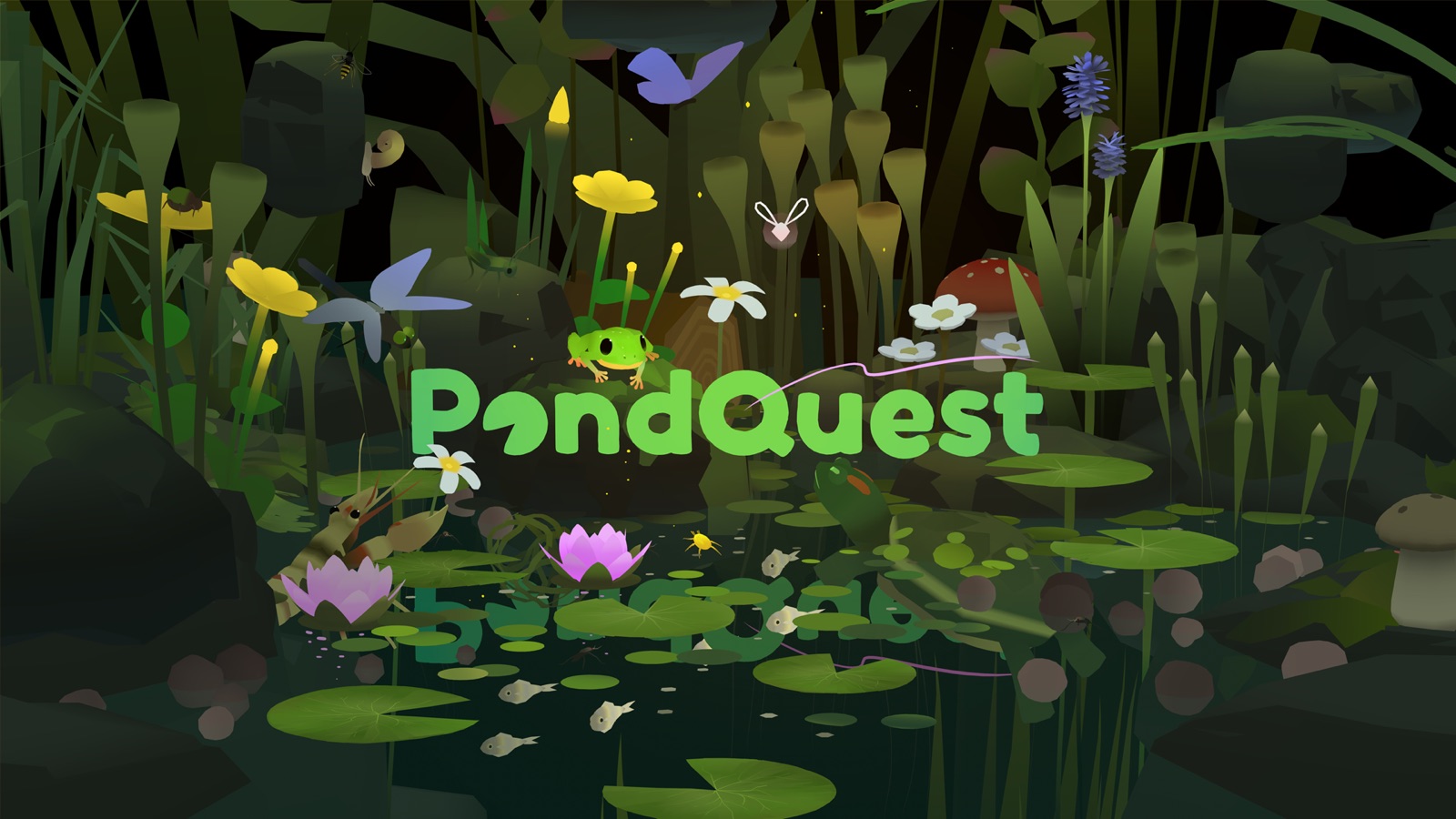
PondQuest
A Mixed Reality platformer that transforms your living room into a magical pond ecosystem. Players navigate through their physical space while interacting with virtual lily pads, creatures, and obstacles that intelligently adapt to their room layout.
Key MR Features:
- Room-scale gameplay that adapts to any space
- Virtual platforms anchored to real furniture
- Physics-based interactions with real surfaces
- Hand tracking for natural gesture controls
Spatial Mailbox
A Mixed Reality messaging application that brings asynchronous communication into physical space. Users can leave virtual messages, drawings, and 3D objects anchored to real-world locations for others to discover.
Key MR Features:
- Persistent spatial anchors for message placement
- Real-world surface detection for content placement
- Passthrough integration for contextual messaging
- Multi-user shared spatial experiences
The Future of Mixed Reality
Mixed Reality represents a paradigm shift in how we interact with digital content. By breaking down the barrier between physical and virtual, MR enables:
- Spatial Computing: Applications that understand and respond to 3D space
- Natural Interfaces: Interaction through gestures, gaze, and voice
- Contextual Experiences: Content that adapts to your environment
- Shared Spaces: Collaborative experiences anchored in the real world
As hardware becomes more capable and accessible, Mixed Reality is poised to transform entertainment, education, productivity, and social connection.
Technical Specifications
Typical MR Hardware Requirements
- Cameras: Multiple RGB cameras for passthrough (4-6 cameras)
- Depth Sensors: Time-of-flight or structured light sensors
- IMU: Accelerometer, gyroscope for head tracking
- Processing: Dedicated XR chipset (e.g., Snapdragon XR2)
- Display: High-resolution panels (1800x1920+ per eye)
- Refresh Rate: 90Hz+ for comfortable experience
Software Capabilities
- Real-time SLAM (Simultaneous Localization and Mapping)
- Semantic scene understanding
- Hand and body tracking
- Eye tracking (on advanced devices)
- Spatial audio processing
- Physics simulation
Resources
- Meta Quest Developer Hub: Official development tools and documentation
- Meta XR SDK Documentation: Technical references and guides
- Unity XR Interaction Toolkit: Cross-platform MR development
- OpenXR Standard: Industry-standard XR API